Buying a detail isn’t like ordering the large latte. Packages sound similar from shop to shop, yet what you get can vary wildly. The right structure starts with a clear baseline, builds protection at the mid tier, and reserves the heavy correction and long-term coatings for the top. That approach respects both your budget and your paint. It also fits how cars are actually used, from school runs to weekend canyon drives to boats sitting on a mooring with salt drying on the gelcoat.
A solid package menu should read like a maintenance plan. Here is how to evaluate each level so you know what you are paying for, what you are protecting, and when to step up. I will use specific procedures, time bands, and common pitfalls I have seen across hundreds of cars, plus a few marine notes for the owners who split time between freeway and harbor.
What a true entry-level interior and exterior service should include
A basic car detailing service is more than a wash and a scent card. At the very least, it should leave you with a decontaminated surface, clean glass, protected plastics, and an interior free of obvious soil. On most cars, that means 1.5 to 3 hours of work with two sets of hands. On neglected vehicles, expect more.
For the exterior, start with a contact wash after a pre-foam to reduce marring. A pH balanced soap paired with a separate mitt for the lower panels makes a difference. Bugs and road film on the front clip often need a dedicated bug remover and a little dwell time. Wheels, barrels, and tires should be treated as their own mini-project, with an iron-reactive cleaner for the barrels if brake dust is heavy. This is where budget services cut corners by using the same mitt across panel and wheel, which drags metal particles across your paint. You pay for that mistake later during paint correction.
Decontamination is the line between a wash and a real detail. An iron remover on the paint, plus a light clay pass on horizontal panels, pulls bonded fallout and overspray. Skip this step and any protection you apply will be sitting on contamination rather than paint. On a white car in Goleta with coastal air, you will see the iron remover go purple on contact near the lower doors and rear hatch. That’s normal, and it is a sign the product is doing work.
A quality basic package should also include a one-step sealant or spray polymer for temporary protection. Modern toppers can add 2 to 3 months of hydrophobics, sometimes 4 if the car sleeps in a garage. Tires should be cleaned to a bare rubber finish and dressed to a satin sheen, not a greasy gloss that slings onto the fenders.
Interior basics mean a thorough vacuum, crevice work with air or brushes, and targeted fabric spot treatment. High-touch surfaces, including the steering wheel, shift knob, and door pulls, deserve a proper APC dilution and a wipe that removes body oils without drying the leather or plastic. UV protection on the dash and door cards matters in Carpinteria or Summerland where sun can be brutal even in winter.
What you should not expect at the entry level: machine polishing, steam extraction everywhere, pet hair extraction beyond a quick pass, or any significant stain removal on headliners. It is a maintenance clean, not a reset.
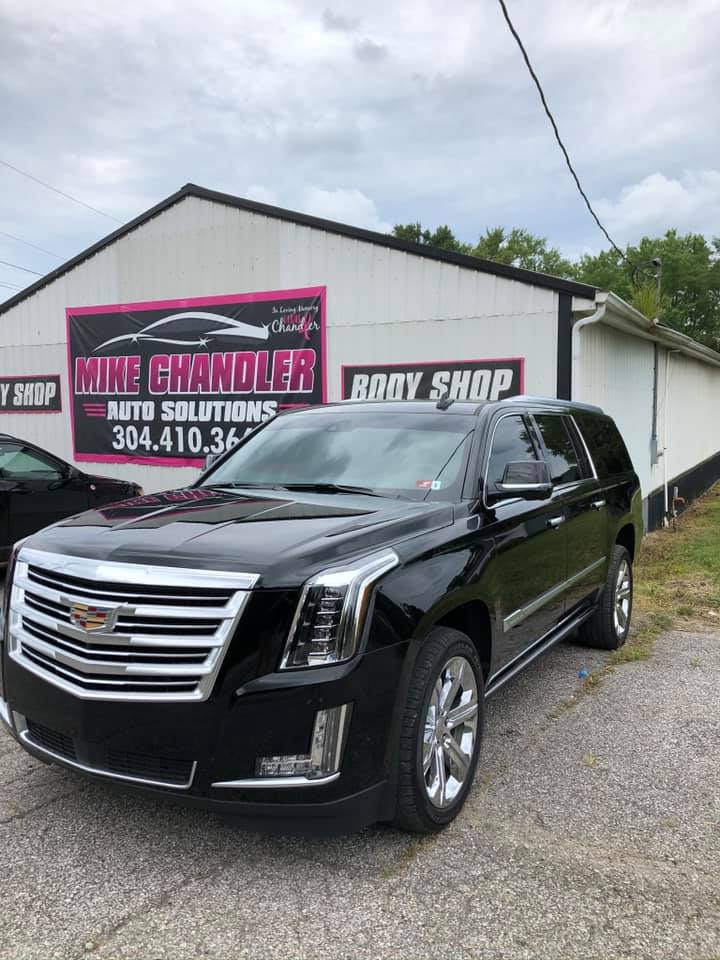
The middle tier that actually protects your vehicle
The mid-level package is where a shop earns its reputation. It should solve the problems you see every day and lay down protection that lasts longer than a calendar page. On the exterior, this often includes a single-stage machine polish to brighten the paint, remove light oxidation, and reduce minor swirls by 30 to 60 percent. You are not chasing perfection here, but the jump in gloss is real. The technician should use a finishing polish and a mild pad, measure paint when appropriate, and mask soft trim.
Decontamination at this level is non-negotiable. Chemical iron removal plus a full clay treatment is standard. If you live near Montecito or Hope Ranch, the ocean air and eucalyptus pollen create a film that bonds to clear coat. Skipping clay at this level means you are polishing contaminants into the paint.
For protection, this is where a one-year ceramic or a high-grade sealant belongs. A one-year ceramic spray or light coating gives you strong water behavior and easier washes without the commitment of a pro coating. It also acts like a sacrificial layer, absorbing micro-marring and UV before the clear coat does.
Inside, the mid tier should step up to hot-water extraction on carpets and fabric seats, steam where safe, and a targeted approach to odor. Leather cleaning followed by a conditioner or SiO2-infused protectant preserves color while reducing dye transfer from denim. If the vehicle lives in Goleta and gets beach duty, ask for a salt neutralizer on carpets and floor mats. Salt crystals are abrasive, and you can feel them under your hand when you rub the carpet pile against the grain.
This level is where a boat detailing service also gets interesting. Marine detailing at the mid tier should include an acid wash for waterline stains on the hull if safe for your gelcoat, a rotary or DA pass to remove oxidation on topsides, and a marine-grade sealant. The sun reflection off water cooks gelcoat faster than automotive clear coat, so a mid-tier marine approach should emphasize UV protection.
The top tier: correction, long-term ceramic coatings, and meticulous interiors
Top packages exist for owners who want near-perfect paint, a deep wet look, and long-term protection measured in years. They are also for vehicles that need a reset after automatic car washes, poorly executed previous details, or dealer-installed swirls.
Paint correction is the centerpiece. That can mean a two-step process: a cutting stage to remove deeper swirls and moderate scratches, followed by a finishing stage to restore clarity. On a soft black car, the second step is where you chase haze left by the cut. On a harder German clear coat, the cut may take more time but finishes cleaner. The technician should take paint readings, test multiple pad and polish combos, and make panel-by-panel decisions. Expect 8 to 20 hours depending on size, condition, and your tolerance for remaining defects.
After correction, the right ceramic coating locks in the result. A pro-only ceramic with 3 to 5 years of durability, applied after a proper panel wipe, is a legitimate investment for daily drivers in Hope Ranch or Summerland where UV, sprinkler minerals, and bird fallout all threaten your finish. Coatings reduce wash-induced marring if you wash correctly. They do not make your car scratch-proof. They do make bugs and tar easier to remove and keep gloss high.
Interiors at this level get full steam disinfection on hard surfaces, deeper extraction, and fabric or leather coatings. A leather coating with a low-sheen finish helps resist dye transfer and abrasion. On a family SUV that rotates between school runs in Montecito and soccer fields in Goleta, that coating keeps armrests and bolsters from turning blue or grey within months.
For boats, the top tier is boat ceramic coating after oxidation removal. Gelcoat is porous, so prep makes or breaks the coating. You compound to remove chalking, refine with a polish, do a solvent wipe, then apply the marine ceramic in thin, even sections. The payoff shows up half a season later when the hull rinses clean and scum lines release with minimal agitation. If someone offers boat ceramic coating without talking through the oxidation level and required compounding, they are selling a product, not a result.
How Hugo's Auto Detailing sets the baseline package
At Hugo's Auto Detailing, the basic package grew out of repeat work on daily drivers that see Highway 101, beach parking, and mountain dust. We added a dedicated iron removal step after seeing how quickly fallout builds on cars in Carpinteria and Summerland. The team uses separate mitts and buckets for wheels and paint, and the lower panels get a dedicated mitt to avoid dragging road grit up the doors.
The interior workflow starts with compressed air and a brush sweep through seat rails, then a vacuum pass, then targeted cleaning. That order keeps the crumb storm from landing on freshly wiped surfaces. Citrus-based cleaners handle sunscreen smears on leather, and the finish is protected with a low-sheen UV product that doesn’t leave glare on the windshield. It sounds small, yet it means you can drive away without feeling like you are staring through a film on the glass.
What the mid tier looks like at Hugo's Auto Detailing
The mid-tier package at Hugo's Auto Detailing is built around a measurable result: a single-stage polish with a realistic defect reduction target and a one-year ceramic layer for easier maintenance. The team works panel by panel, checking with a high-CRI light and adjusting pad choice when they move from a softer hood to a harder roof on certain makes. They mask around emblems and trim to avoid staining, and plastic restorer is applied only after the polishing dust is rinsed away.
Inside, steam is used sparingly around sensitive areas like infotainment surrounds and shift boots. On cloth seats, they treat individual stains before extraction rather than flooding the fabric, which prevents wicking that can make a stain reappear. Coastal owners get a corrosion check on seat mounts and under-seat wiring, especially on SUVs that see wetsuits or sandy gear. Those checks take minutes but prevent headaches later.
Premium correction and coating, tailored to how the vehicle lives
The premium package needs to account for where the vehicle spends its life. A city car that lives in Montecito and parks under trees may have etching from sap and bird fallout that requires targeted spot sanding, then correction, before coating. A garage queen in Hope Ranch might need less cutting, more refining. This is where a shop should slow down and ask about your wash routine. If you use a tunnel wash every week, a 5-year pro coating will not save you from micro-marring. The advice might be to pair a 2- to 3-year coating with a quarterly maintenance wash that includes a topper, keeping the system healthy.
On wheels, consider a high-temp wheel coating at this level. It doesn’t eliminate brake dust, but it makes cleaning faster and allows a pH neutral shampoo to get the job done without a harsh wheel acid. If you drive Highway 154 to the valley and back, you know how that dust settles.
For interiors, a fabric guard on floor mats and high-traffic carpet zones under child seats can reduce staining by 50 percent or more. Leather coatings on lightly textured seats preserve the grain and keep body oils from darkening the bolsters. These steps are invisible when applied correctly, and they keep the car looking newer in a way regular conditioning cannot.
Marine detailing has its own physics
Marine detailing rewards patience and prep. Gelcoat is thicker than automotive clear coat, yet it oxidizes faster. A proper Marine detailing process starts with a wash that removes salt, then an acid step for mineral lines if the substrate allows it, then compounding to address oxidation. In some cases, you need wool on a rotary to get through chalking, followed by a foam pad to refine. Wipe with an appropriate solvent, then seal or coat.
On a center console in Santa Barbara Harbor, we compounded the starboard side twice with a diminishing abrasive before turning to a finishing polish. The port side, more shaded at slip, needed only one cut. After a marine ceramic, the owner reported that weekly rinses left far less spotting. The difference is not magic, it is about reducing surface energy so contaminants don’t anchor. But coatings need maintenance, especially in salt. A freshwater rinse after every outing and a silica-rich spray once a month keeps the matrix performing.
Boat detailing service packages should mirror automotive ones: a maintenance wash and sealant, a mid-tier oxidation removal and sealant, and a premium correction with boat ceramic coating. The right choice depends on how often the vessel is in water, whether it sits on a trailer, and if it is covered. A boat that lives on a mooring in summer needs the top tier to stay ahead of UV and scum lines.
Where paint correction fits, and when to say no
Paint correction is seductive. The lights go on, the swirls fade, and the finish looks like black glass. But correction removes clear coat. On most modern cars, you start with 80 to 120 microns total film build, with only a portion being clear. If the paint has been hammered by years of tunnel washes and previous cutting, every additional correction reduces future flexibility. The practical path is to correct once to a high level, coat, then maintain with careful washes and periodic decon and toppers. If a car has deep scratches that would require aggressive cutting, sometimes the answer is to live with a few marks rather than chase a thin area.
Edge cases matter. On repainted panels, the clear can be softer or harder than adjacent OEM panels. You test sections before committing. On single-stage red, which still shows up on older imports around Carpinteria, your pad will pull pigment during polishing. That is normal, and it requires more frequent pad cleaning to avoid dragging color and creating haze.
Interior detailing across lifestyles
Interiors tell the story of how a vehicle is used. A contractor’s truck with clay dust and sawdust behaves differently in extraction than a family sedan with spilled milk. Dust needs air and vacuum choreography to avoid mud. Milk needs enzyme treatment to break proteins, then hot-water extraction, then a dry step and an odor neutralizer. A quick pass with fragrance just masks problems.
Leather needs an honest assessment. Coated leather, which is what most modern cars have, responds best to gentle cleaners and a protectant that adds slip and abrasion resistance. Uncoated aniline leather, often found in higher-end vehicles, darkens with water and needs specialized pH-balanced products and a lighter hand. If a shop treats both the same way, you may end up with glossy, slick seats or drying that shows as micro-cracks later.
Glass is easy to overlook. The final pass should be a two-towel method, with a damp towel to lift residue and a dry towel to polish. If you leave a silicone protectant film around the dash vents and then run the defroster, you will fog the windshield. That’s why the order of operations matters: protect, then glass last.
How to choose packages in Carpinteria, Montecito, Goleta, Hope Ranch, and Summerland
Regional use matters more than any brochure. If you do most of your driving between https://raymondjfjq973.iamarrows.com/exterior-detailing-for-black-cars-avoiding-swirls-and-holograms Carpinteria and Montecito, you will battle coastal fallout, eucalyptus residue, and seagull traffic. If you are in Goleta, highway dust and construction grime come into play. Hope Ranch owners deal with tree cover, sprinklers, and heavy morning dew that dries into mineral spots. Summerland brings sun and salt air.
If you park outside daily, a mid-tier with a one-year ceramic and quarterly decon washes is a smart baseline. If you have a dark color that shows everything, consider a premium correction and a 3- to 5-year coating, then protect it with touch-safe wash methods. If you take kids and dogs to the beach, ask for salt neutralization inside and out and consider a fabric coating on the cargo area and mats.
For boat owners who also maintain cars, synchronize maintenance. Do a spring marine detail with oxidation removal and a coating or sealant, then schedule your vehicle’s decon and polish in the same window. Run the same silica spray topper on both surfaces if they are compatible. Routine keeps costs and effort down.
A simple checklist when comparing packages
- Clarify decontamination steps, both chemical and mechanical, and whether they are included at each level Ask what polish or correction stage is used, and what percentage of defect reduction is typical Specify the protection type and realistic durability range, not just a brand name Review interior methods for your materials: coated leather, fabric, Alcantara, or aniline Confirm wash method, separate tools for wheels and paint, and whether trim masking is done before polishing
Red flags and honest expectations
Vague language hides shortcuts. If a package promises a “ceramic” that lasts years but takes under an hour to apply at the end of a quick wash, it is likely a silica spray topper, not a true coating. That product has a place, just not in the multi-year category. If a shop says paint correction is always needed, be cautious. Many cars look fantastic after a thorough decon and a one-step polish with a one-year coating. It is better to preserve film build and take a measured approach than to chase perfection twice.
Time estimates should correlate with results. A two-step correction on a full-size SUV cannot be done to a high level in three hours. If you hear tight timelines for complex work, either the result will be shallow or the techniques too aggressive. When a technician says they want the car overnight after coating, that often means they care about cure time and dust control, which is good.
The bridge between auto and marine, and how coatings change maintenance
Coatings are not bulletproof, yet they change the maintenance rhythm. On cars, your contact wash becomes lighter because less dirt bonds. On boats, rinse water leaves fewer spots and cleaning takes less agitation, which preserves the finish. The real gain is in preserving the surface so future polishing is minimal. Think of coatings as long-term clear dress shoes: they still scuff if you kick a curb, but they are easier to shine and harder to permanently mar.
Where owners get tripped up is in post-coating care. Touchless washes at high pH can strip toppers and fatigue the coating’s surface over time. Hand washing with the right shampoo, plush mitt, and separate buckets keeps the coating lively. Quarterly decontamination with a dedicated iron remover, followed by a light topper, restores hydrophobics. That is the cycle a top package should set up for you.
Case notes from the field
A black sedan based in Montecito arrived with classic tunnel wash marring, bird etchings on the hood, and dull trim. We measured paint in the 95 to 110 micron range. Rather than chase every etch with aggressive cutting, we spot-sanded the worst marks with 3000 grit, did a targeted cut, then performed a one-step polish across the rest. A 3-year ceramic went on after a solvent wipe. The owner committed to ditching the tunnel wash and booked quarterly maintenance. A year later, the coating still looked sharp, and the paint readings were healthy. The lesson: correction where needed, restraint elsewhere, and a maintenance plan.
On a 24-foot dual console that lives in Santa Barbara Harbor, we found moderate oxidation above the rub rail and light scum lines. The owner wanted boat ceramic coating. We compounded with a medium cut wool, refined with a foam pad, wiped with panel prep, and applied a two-part marine ceramic. Six months later, the rinse-off was dramatically easier. We refreshed with a compatible topper and skipped compounding entirely. Prep and maintenance did the heavy lifting.
Where Hugo's Auto Detailing fits into local needs
Hugo's Auto Detailing has seen both sides of that coin across Car detailing Carpinteria, Car detailing Montecito, Car detailing Goleta, Car detailing Hope Ranch, and Car detailing Summerland work. The shop’s package tiers were built around the environmental realities of the Central Coast, not just product catalogs. For example, the basic service includes clay on horizontal panels because sprinkler overspray in Hope Ranch lays down minerals that a wash won’t budge. The mid-tier specifies a single-stage polish because many commuter cars pick up haze and swirls but do not need a cut. The premium tier holds time for spot sanding because eucalyptus drips do not always polish out cleanly.
In practice, they often steer owners away from heavy correction if paint is thin, and back a lighter polish paired with a strong ceramic. That judgment call preserves headroom for the future. Owners appreciate the honesty once they see how much a careful wash routine and a good coating can do for day-to-day appearance.
Final thoughts on building the right package for your use
A well-structured detailing menu gives you choices without hidden compromises. Entry level should clean deeply and protect modestly, especially where salt and sun are constants. The middle tier should make your life easier with a single-stage polish and a one-year ceramic that keeps the car slick and glossy. The top tier should reserve its effort for when the vehicle needs a reset or when you want the coating and correction to hold for years.
The same logic applies to marine work. Maintenance sealants have a place, mid-tier oxidation removal keeps gelcoat alive, and boat ceramic coating earns its keep on vessels that see regular sun and water.
If you live along the Santa Barbara coastline, think of detailing as part of routine care, not a luxury. The environment is beautiful and hard on finishes. When packages are clear about what is included, when they respect film build, and when they emphasize maintenance, your car or boat will look right and stay that way with less drama. That is the point of a car detailing service or a boat detailing service that understands the terrain, the weather, and how people actually use their machines.